What is the Normal Color of Oral Mucosa?
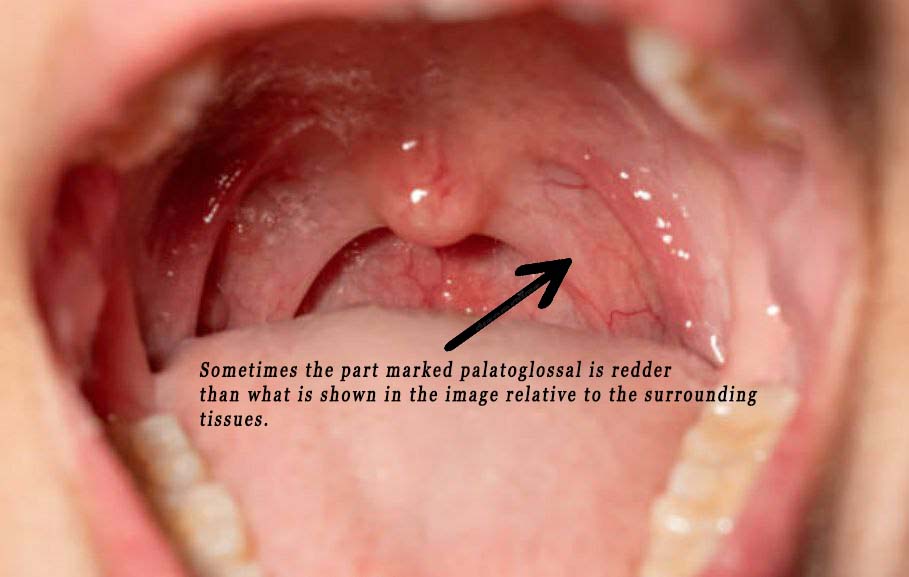
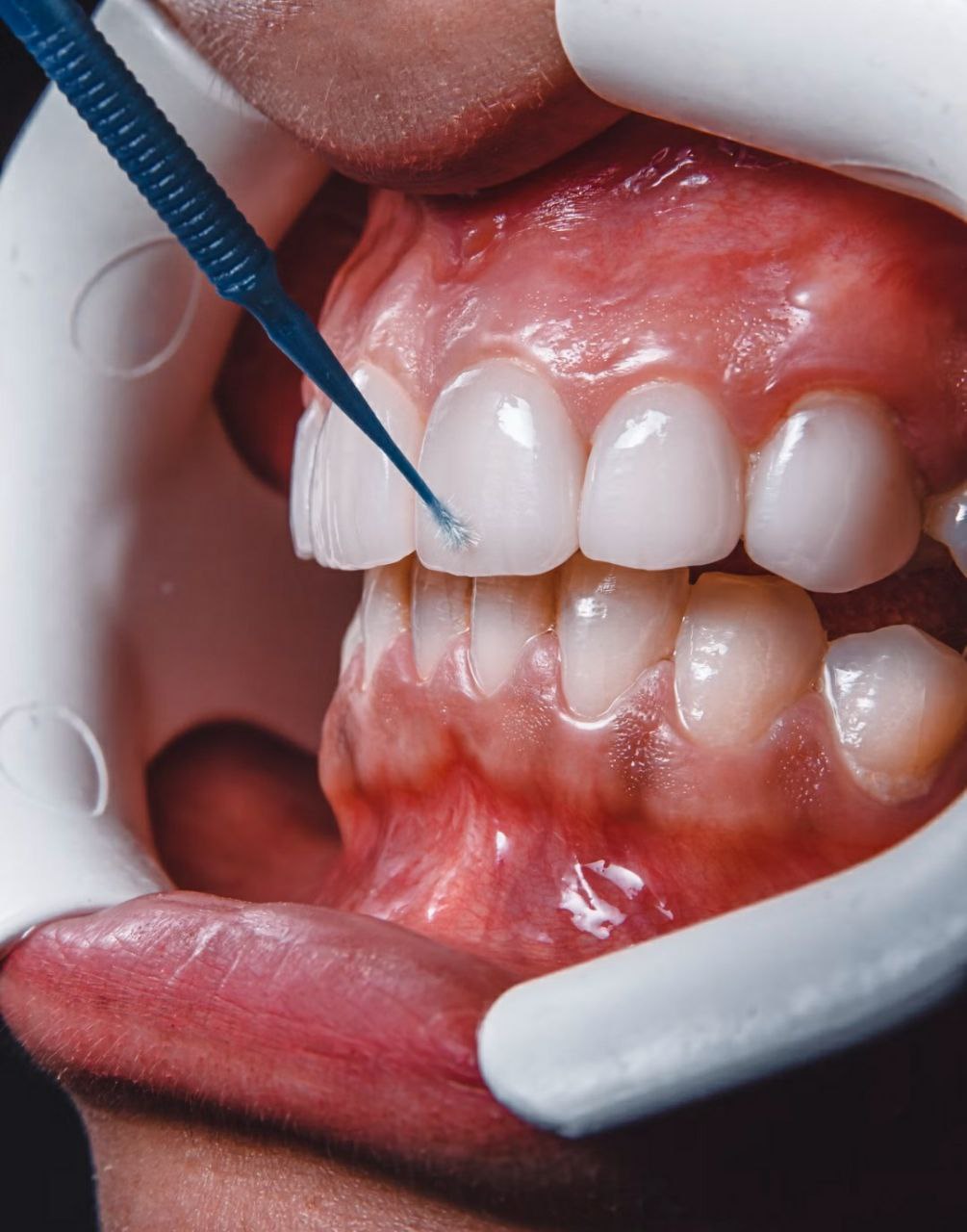
The color of the inside of your mouth, known as the oral mucosa, is a key indicator of oral health. A healthy mouth actually demonstrates a wide spectrum of normal pink colors, ranging from a dark, reddish pink to a very pale, almost white pink. Understanding what causes these variations can help you identify what is normal for you.
The Two Main Types of Oral Mucosa and Their Colors.
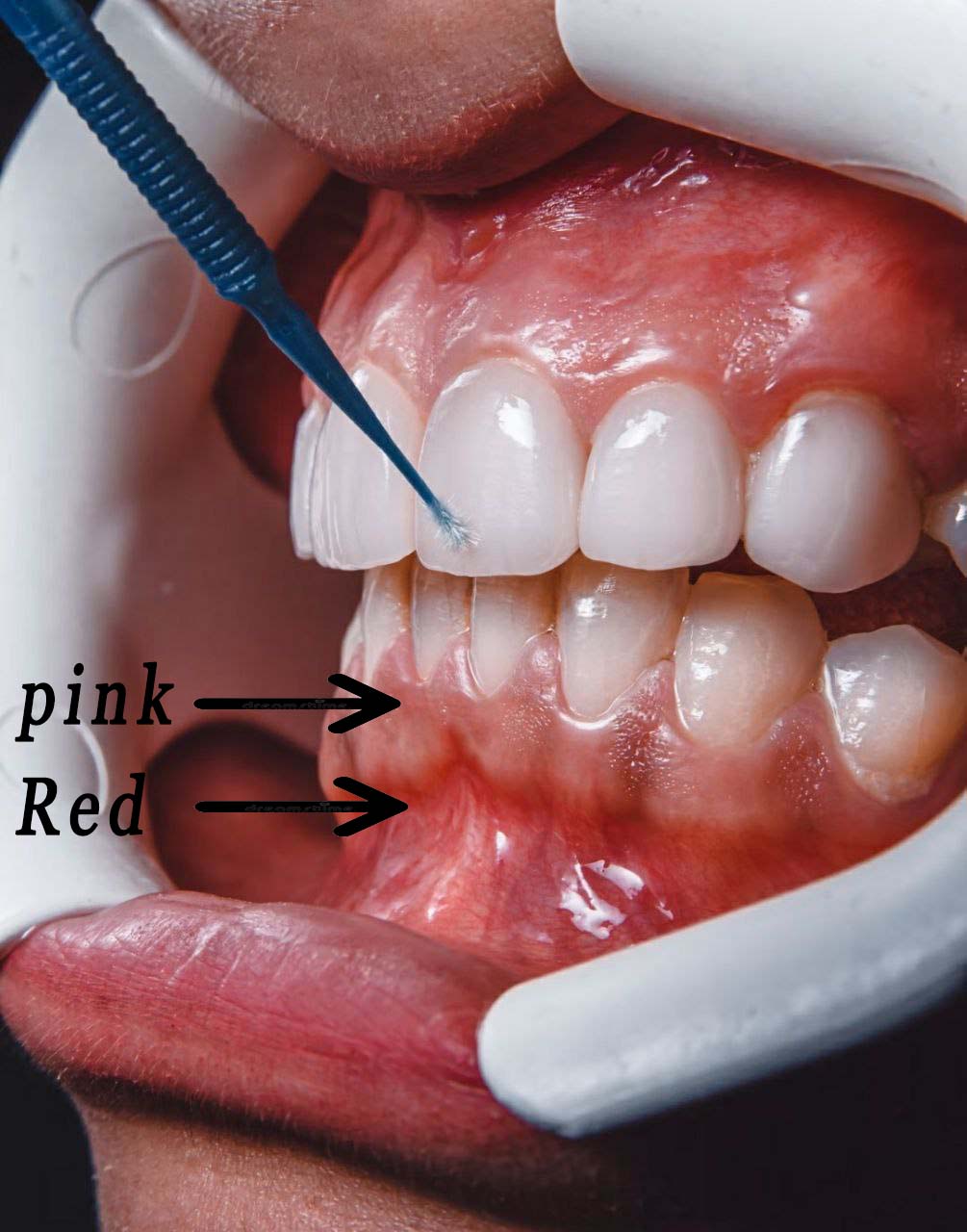
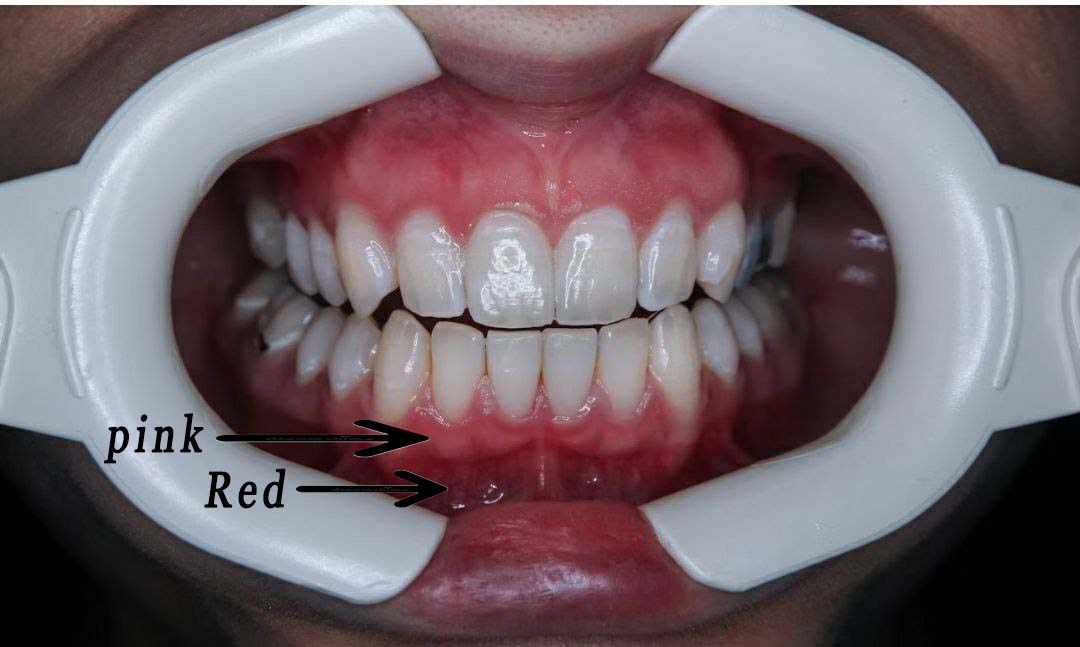
1. Light Pink color (Masticatory Mucosa)
Location: This type of tissue is found in areas exposed to the force and pressure of chewing (mastication), including:
- The attached gingiva (gums)
- The hard palate (roof of the mouth)
- The dorsal surface of the tongue
why it is light pink?
These surfaces have adapted to stress by developing:
- A protective surface layer of keratin (a tough, opaque protein).
- A underlying (subepithelial) connective tissue that is dense, fibrous, has fewer blood vessels (avascular), and is firmly attached to bone. This thicker, tougher structure obscures the color of the blood beneath it, resulting in a characteristic light pink color.
2. Red color (Non-Masticatory Mucosa)
Location: This mucosa lines protected areas that do not handle heavy chewing, including:
- The inner cheeks and lips
- The vestibule (space between teeth and cheeks/lips)
- The floor of the mouth
- The ventral (underside) surface of the tongue
why it is more red?
These areas are shielded from intense mechanical stimulation. Because they lack the thick keratin layer and dense tissue, the mucosa remains thinner and more transparent. This allows the rich underlying blood supply (vasculature) to show through, imparting a darker, reddish-pink color compared to the gums and palate.
What Causes Individual Variations in Oral Mucosa Color?
It is completely normal for people to have different shades of pink in their mouths. This variation is influenced by several factors:
- Genetics: Some people genetically produce more keratin in response to minor stimuli (like brushing), leading to thicker, paler tissue. Others require a stronger stimulus to achieve the same level of keratinization.
- Hemoglobin Levels: Your blood's health directly impacts color. A person with a high red blood cell count (polycythemia) will have a much redder, darker mucosa. A person with anemia (low hemoglobin) will have a significantly paler, sometimes whitish mucosa.
Conclusion: The normal color of oral mucosa is not a single shade but a spectrum. The key difference between the light pink of the gums and the reddish pink of the inner cheek is due to tissue thickness and keratin content. While genetics play a role, significant or sudden changes in color can be a sign of underlying health issues and should be evaluated by a dental or medical professional
Resource: DIFFERENTIAL DIAGNOSIS of ORAL and MAXILLOFACIAL LESIONS
NORMAN K. WOOD | PAUL W. GOAZ